Winning HVAC marketing means owning local SEO: optimize Google Business Profile, run...
Get the Full StoryWinning HVAC marketing means owning local SEO: optimize Google Business Profile, run...
Get the Full StoryDiscover 100 powerful HVAC SEO keywords that drive leads, boost Google rankings,...
Get the Full StoryDominate local HVAC search: optimize GBP, build one-service pages, earn local links,...
Get the Full StoryKeep hearing about SEO, but don't even know what is search engine...
Get the Full StorySearch Engine Optimization is key to getting yourself found in search. Learn...
Get the Full StorySEO is a must for every website, but how do you know...
Get the Full StoryMaking your site mobile friendly is an SEO must these days. Discover...

Get the Full StoryMaximizing your Google business listing can have a big impact on local...
Get the Full StoryKeywords are a crucial key to webpage SEO. Learn how to conduct...

Get the Full StoryLearn what is SEO and why it's so important to your website...
Get the Full StoryHow SEO Works In Web Design

Get the Full StoryDiscover effective Off-Page SEO strategies to boost your website's search engine rankings...

Get the Full Story
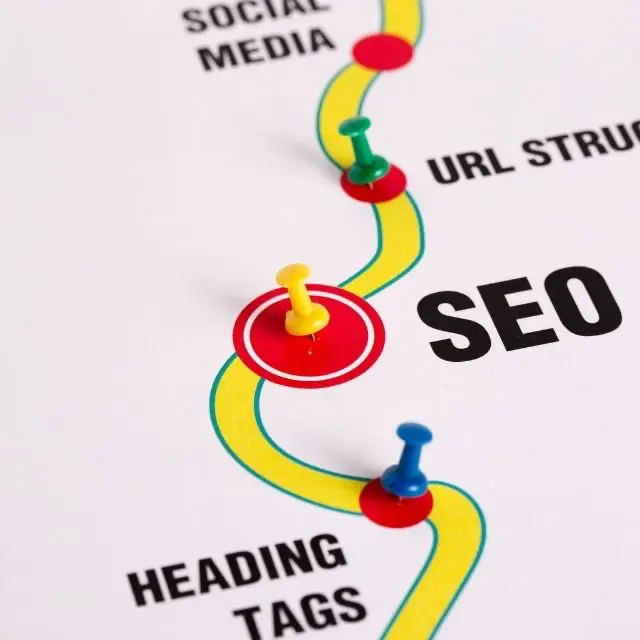
Learn actionable SEO tactics—technical SEO, on‑page optimization, keyword research, content strategy, link building, local SEO, and schema. Use our step‑by‑step guides to boost Google rankings, grow organic traffic, and drive revenue.
SEO (Search Engine Optimization) is the process of improving your website so it shows up higher on search engines like Google. It’s important because most people start their buying journey with a search. If your business isn’t visible, you’re losing potential customers to competitors who are. SEO drives long-term, sustainable traffic without paying for every click, builds trust through visibility, and ultimately generates leads and sales at a lower cost compared to ads.
SEO works by aligning your website with how search engines crawl, index, and rank content. It involves optimizing on-page elements like titles, content, and images; technical elements like site speed, schema, and crawlability; and off-page signals like backlinks. Search engines evaluate hundreds of ranking factors, but the goal is consistent: prove your site is relevant, trustworthy, and user-friendly. Over time, Google rewards well-optimized sites with higher visibility in search results.
On-page SEO: optimizing content, keywords, titles, headings, internal links, and user experience.
Off-page SEO: building authority through backlinks, mentions, citations, and digital PR.
Technical SEO: optimizing site architecture, mobile usability, schema markup, page speed, and crawlability.
All three work together. For example, great content (on-page) won’t rank if your site loads slowly (technical) or has no authority (off-page).
SEO is not instant. Most businesses start seeing noticeable improvements in 3–6 months, with more competitive industries taking 6–12 months. Quick wins can happen faster (like fixing title tags or improving speed), but lasting growth requires consistent work. Results depend on competition, domain history, content quality, and how aggressive your SEO plan is. SEO is a long-term investment, but once rankings stick, they deliver steady traffic without ongoing ad spend.
SEO focuses on earning free, organic traffic by improving rankings. Paid advertising (PPC) buys traffic through platforms like Google Ads or Facebook. PPC delivers instant visibility, but only while you pay. SEO takes longer but builds sustainable traffic that compounds over time. The best strategies combine both: use PPC for fast wins or testing, and SEO to build long-term authority and lower customer acquisition costs.
A title tag is the clickable headline that appears in search results. It tells both search engines and users what a page is about. Title tags matter because they influence rankings and click-through rates (CTR). A well-written title includes primary keywords, stays under 60 characters, and entices users to click. For example, “Connecticut SEO Services | Pure Junk Media” combines geo-targeting, service keywords, and branding.
Meta descriptions don’t directly influence rankings, but they impact CTR, which does. A compelling description encourages more users to click your result, signaling to Google that your page is relevant. Meta descriptions should summarize the page, include primary keywords, and stay under 155 characters. Higher CTR means more traffic and, over time, stronger performance.
Keywords should guide your content, not stuff it. Place your main keyword in the title, first paragraph, at least one subheading, and naturally throughout the text. Secondary keywords and variations should be sprinkled where they fit. Use them in alt tags, meta descriptions, and internal links. The goal is to answer user intent, not overload a post with repetitive phrases.
Internal links connect one page of your website to another. They help Google crawl your site, spread link equity, and signal which pages are important. Strategically linking from blogs to service pages boosts rankings for high-value keywords. For example, linking from a blog about “SEO basics” to your “SEO services” page builds topical relevance and authority.
Header tags structure your content. The H1 is the main topic, H2s break it into sections, and H3s go deeper. Search engines use them to understand hierarchy and relevance. Proper header usage improves readability for users and helps Google match content to queries. Adding keywords to headers where natural strengthens topical signals without hurting user experience.
Blogging gives you opportunities to rank for new keywords, build topical authority, and answer customer questions. Each blog post is a new indexed page that can attract search traffic. Blogs also create content for internal linking, social sharing, and backlinks. Without fresh content, your site stagnates; with consistent blogs, you signal to Google that your site is active and authoritative.
Yes. Optimized images improve user experience, reduce bounce rates, and help blogs rank in Google Images. Add descriptive filenames, alt text with keywords, and compress images for speed. Visuals also make posts easier to read and share, which can increase engagement and backlinks.
Technical SEO ensures search engines can crawl, index, and understand your site. It covers site architecture, mobile optimization, speed, security, structured data, and canonical tags. Without it, even the best content won’t rank. Technical SEO acts as the foundation: it makes your site easy for both users and search engines to navigate, increasing rankings and conversions.
Site speed is a confirmed ranking factor. Google prioritizes sites that load quickly, especially on mobile. Slow sites increase bounce rates, reduce engagement, and hurt conversions. Optimizing speed with compressed images, caching, and clean code improves user experience and SEO simultaneously. Faster sites rank higher and make more money.
Mobile-first indexing means Google uses your mobile site version for ranking and indexing. Since most searches happen on mobile, your site must be mobile-friendly. Responsive design, fast load times, and easy navigation are critical. If your mobile site is weak, your rankings will drop even if your desktop site is strong.
Schema is structured data that helps Google understand your content. It powers rich snippets like star ratings, FAQs, and product info. While schema doesn’t directly boost rankings, it improves CTR by making your result more eye-catching. For example, FAQ schema can make your blog posts appear with expandable answers right on Google’s results page.