If you run a service business, your marketing has one job.
Make the phone ring.
While slow, continuous growth might feel nice, and social media likes and impressions help grow your community, at the end of the day you need direct, noticeable results as a business owner: If leads aren’t coming in, something’s not working.
This guide breaks down exactly what actually works for service businesses in 2026. HVAC, plumbing, electrical, roofing, cleaning, landscaping, and similar trades. It’s structured so you can skim it, bookmark it, and come back when you need answers fast. If you don’t find what you’re looking for, or still have questions, leave a comment and we’ll add it to the FAQs!
What Actually Matters in Service Business Marketing

Service marketing is local, intent-driven, and can feel unforgiving if your marketing isn’t dialed in.
Whether you’re running ads, sharing content on social media, or purchasing your leads, you need a reliable flow of new work for your team, and picking the right approach to drumming up business can seem almost like random chance.
Service businesses face different marketing issues than other companies.
You’re not competing with national brands.
You’re competing with who shows up first when someone needs help right now.
Your location affects your competition, your marketing reach, and sometimes even the prices you can charge.
That means:
- Local visibility beats clever branding
- Speed beats perfection
- Trust beats creativity
If your marketing doesn’t support those three things, it’s working against you. That means an offshore marketing associate doesn’t know your area, the main players, the local quirks that affect your industry, or the best bet for your marketing budget.
An in-house marketing manager is expensive, requires oversight, and is only as good as the person you hire. These are all factors in why so many service business-owners struggle with marketing, and many even try to handle it themselves, to no avail.
The Core Marketing Foundation Every Service Business Needs
Before tactics, you need infrastructure. Miss this and nothing else works.
Your Non-Negotiables
- A fast, easy to use website
- A properly optimized Google Business Profile
- Social Media that suits your industry.
- Real reviews from real customers
- Clear service pages tied to locations
- A way to track calls and form submissions
There are no shortcuts or curveballs. Aside from the relatively recent rise of social media, these are all standard pieces of business marketing. They predate even Angi’s list. Finding a company who can handle them independently while also correctly representing your business is one of the most important decisions you’ll make for your business.
Website Requirements for Service Businesses
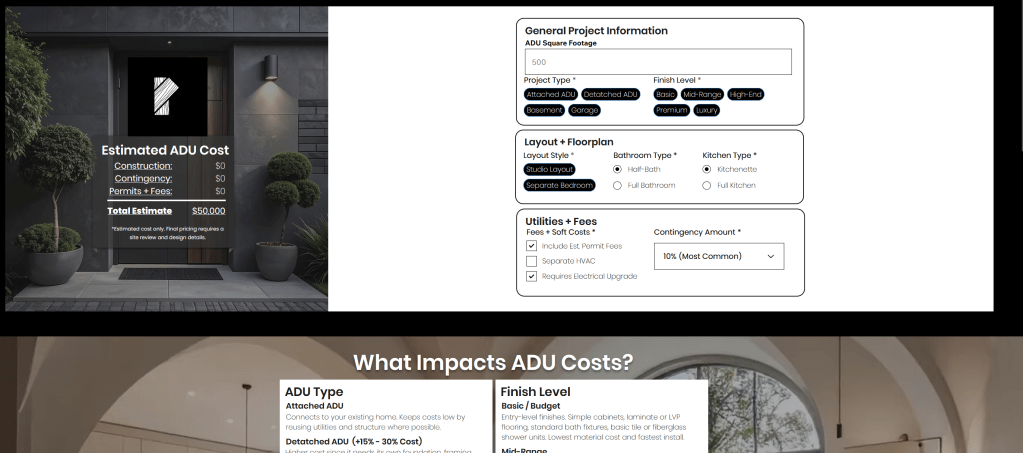
Your website is more than a brochure, or a business card. It can be a sales tool and a lead magnet. It serves as a home for your guidance and experience. Overall, it is one of the strongest opportunities to engage with your potential customers.
What Your Website Must Do
- Load quickly on desktop and mobile
- Answer the client’s questions
- Identify your services and skills
- Prove you’re trustworthy
- Make contacting you effortless
Information Every Business Website Needs
- What you do
- Who you serve
- Where you serve
- Why you’re credible
- How to contact you
These might sound simple. You’d be surprised at the number of professional websites that skip over basic contact information. Many leave huge gaps in explaining what services a company provides.
Other standard pages that most websites will have include:
Service Pages
Each major service gets its own page.
- HVAC repair
- Furnace replacement
- AC maintenance
- Emergency service
Location Pages
If you serve multiple towns, each town needs:
- A dedicated page
- Local references
- Real service descriptions
- Embedded Google Map
Paid Ads That Actually Work for Service Businesses
Paid ads generally amplify demand. They don’t create it.
While advertising is easily expansible, it requires an entire ecosystem of thought around it to maximize your return on investment: A badly converting ad could be explained by anything from the wording of your message, to the visual style of your created content, down to running the ad at the wrong time, or targeting the wrong audience.
The most common types of “traditional” online advertising are usually of a few distinct types:
Google Local Services Ads (LSAs)
LSAs are often the highest ROI channel for service businesses in particular. They get you to the top of google searches on dialed-in search terms, and are easy to set up.
Why
- Pay per lead, not click
- Show above normal ads
- Heavy trust signals
They’re competitive. They’re worth it.
Google Search Ads
Search ads work when done correctly, but can require a bit more planning and setup than LSAs. Likewise, it’s easy to quickly drain your budget if ads are broadly targeted or too aggressive in placement.
Rules
- Tight keyword groups
- Location targeting
- Call-only ads during business hours
- Dedicated landing pages
Broad campaigns burn money fast.
Facebook Ads for Service Businesses
Facebook offers less intent-based advertising. This follows recent changes to their targeting demographic options. However, it still offers everything needed to run a campaign. You can target your ads by neighborhood. You can also carefully retarget potential clients based on their behavior on your posts. It gives a huge amount of control over ad visuals and content placement.
Every business should be POSTING on Facebook. That goes without saying. Service businesses, in particular, stand to gain more from Facebook ads than most types of companies.
Use it for:
- Retargeting
- Seasonal reminders
- Brand reinforcement
Do not expect cold Facebook ads to replace search ads, content creation, or your existing lead funnel. They require much effort to keep your brand at the top of people’s feeds.
Local SEO and Google Maps Dominance

This is where most service leads come from. When your customers open Google and search for help, or ask an AI to find them a company, your website appearing first is oftentimes what wins you the lead. Getting to the top of search rankings is easier said than done, but can be broken down into a few key areas:
Google Business Profile Optimization
Your GBP listing is more important than your website.
Must-do items
- Correct categories
- Real photos of trucks, jobs, team
- Services fully filled out
- Weekly posts
- Consistent review responses
Reviews: The Real Ranking Factor
Reviews do three things:
- Increase Maps visibility
- Increase click-through rates
- Increase call conversions
Asking for reviews can feel awkward and be it’s own challenge, so we always recommend making it simple for you customers, asking immediately after the job finishes, and never removing bad reviews or faking good ones: Your reputation matters more than in most industries in Construction, HVAC, etc.
How Service Businesses Should Use Social Media
Social media does not replace SEO or ads, but it is a great way to regularly post updates, engage with your community, and keep a consistent, updated presence online. It shows your customers that you’re still active, still owned by the same people, and still the company they know. (Look into what marketers refer to as Top of Mind Awareness.)
The best content for social media varies between types of service business, but tends to follow a few set rules across industries:
- Don’t be salesy: Share things honestly and candidly, people know when they’re being sold to, and they’ll unfollow you.
- Share what’s visually interesting and engaging: If you’re a remodeler, your finished projects are a visual statement of your craftsmanship: It’s always worth posting finished project photos or interesting things you see on the job site: Ask for opinions, engage with responses, and make your social followers feel like they’re getting an inside peek.
Platforms That Matter in Home Service Marketing
- TikTok
Note: LinkedIn tends to be a great resource for business to business (B2B) advertising, but does little to help find residential leads.
Good Post Ideas for HVAC / Construction Companies
- Before and after job photos.
- Short videos explaining issues
- Homeowner/client statements
- Team photos
- Job listings
- Everybody knows someone looking for a job. Job postings get shared around and talked about.
- Seasonal reminders
- HVAC work changes between cold and warm months.
- Local community involvement
- Sponsor a local team
- Donate time/materials to repair public infrastructure
Above all, remember that if your post looks like an ad, people will scroll right by: Each post builds up the reader’s familiarity with your brand. With a dialed-in social strategy, they should know it’s your post before they’ve even really read through: Your brand styles and voice are key parts of your business’s core identity, and this is why.
Facebook is a trust and visibility platform for service businesses, not a lead engine by itself. Customers check your page to confirm you’re real, active, and local before they call.
Instagram is visual proof. Job photos, before-and-afters, and short videos build confidence fast, especially for home services where people want to see real work.
TikTok rewards simple, honest videos that explain problems and show work in progress. It’s unpredictable but powerful for reach, and best treated as a bonus channel, not a core lead source.
Local Chambers, Partnerships, and Offline Leverage

This is where most agencies drop the ball: Having a sales team is an asset in the same way as having a marketer working on line is. Getting your sales team into environments that foster business relationships and open opportunities is the best way to ensure they’re getting sales, meeting people, and expanding your business’s recognition in your local area.
Chambers of Commerce
Local chambers help with credibility, referrals, and local visibility. They work best when you actually show up, not when you just pay the membership fee and disappear.
Chambers still matter for:
- Local trust signals
- Networking
- Backlinks
- Referrals
But only if you show up.
Local Partnerships
Partnerships with realtors, property managers, builders, and complementary trades can produce high-quality leads with zero ad spend. One solid partner often outperforms a month of paid ads.
Some of the best leads come from:
- Realtors
- Property managers
- Builders
- HOAs
- Other trades
One solid partnership can outperform paid ads.
The Real Danger of Buying Leads
Let’s talk about Angi, Thumbtack, Modernize, HomeAdvisor, and similar platforms.

Why Purchased Leads Are Risky
- You’re competing on price when bidding
- You’ll be underbid by others who buy the lead
- Lead quality is wildly inconsistent
- Past clients don’t bond with your business
The Long-Term Problem
When you rely on lead marketplaces:
- You stop building your own brand
- You lose pricing power
- You become replaceable
Overall, once your money is spent, you’ve gotten a phone number. There’s no future benefit from that lead. This is unlike long-term marketing with a website or social network.
When Lead Platforms Make Sense
They can work:
- Short term
- During slow seasons
- As a supplement
They should never be your core strategy.
Marketing Mistakes That Kill Service Businesses
Chasing Everything at Once
More channels does not mean more leads, but it usually means more confusion.
Pace yourself. A hand-on entrepreneur trying to handle running their business on top of marketing across Facebook, Instagram, Tiktok, and Search Engines is set-up for failure. Marketing is a full-time job for many of us for a reason. When you’re occasionally acting as your own accountant, bookkeeper, tradesman, and project manager to get things done, you’ll quickly find that marketing requires its own skillset. Everything from answering leads, developing ads, and monitoring ROAS requires experience and practice.
Ignoring Tracking / Skipping Analytics
One of the biggest benefits of an experienced marketer on your team, or of hiring a marketing agency, is regularly receiving detailed analytics: Marketers track where your leads come from and what they cost to obtain, and use that information to continually approve your marketing plans. If you don’t know which ads are working, you have much less actionable data. You also don’t know where clients come from. This situation limits your ability to make informed decisions about ad spend, content creation, and all your other marketing decisions.
Things your marketer should be able to tell you:
- Where calls and online leads come from.
- Which pages convert and which don’t?
- Which ads produce revenue?
- What lead source has the best return on ad spend?
Red Flags: Signs Your Marketer Isn’t Helping
Copying Competitors Blindly
Keeping an eye on competition isn’t bad, but it’s also not where to find your marketing playbook.
What works for one market may fail in yours. Local context matters more than templates.
No Access To Their Data or YOUR Website
Marketing teams should regularly report back with direct data on where leads are coming from. Expect at least monthly reports.
If your marketer leans on jargon or buzzwords, or jsut can’t explain their plan, they probably don’t have one.
Copying Competitors Blindly
Any marketer or webdev reselling you website hosting or charging for monthly maintenance without any ongoing changes should raise red flags.
Ongoing Trends for Service Marketing

AI Search and Zero-Click Results
Google answers questions directly now: Most marketers have used the approach of making your website a useful hub for industry knowledge, but less and less of those searching will leave google to read it on your site.
This makes adapting to AI searches a much bigger deal. Those winning traffic and leads from this change usually have professionally made websites featuring structured data, which makes it easier for AIs to skim them for info.
Pages written for humans win.
Trust Signals Matter More Than Ever
With generative AI adding more doubt than ever to the legitimacy of photos, calls, texts, and even entire websites, it’s important your customers know who you are, have a way to verify it, and trust that you’re the authority on your work. This means changing the way we market, and the quality of our marketing materials.
Clients want to see real project photos and testimonials.
Asking to speak with past clients is increasingly common.
Stock content and AI images hurt your authenticity and authority when misused or not transparent enough.
Authority + Trustworthiness Beats Size or Ad Spend
You don’t need to be the biggest HVAC company, with the most reviews and photos. If you establish a local name, develop an authority online based on transparency and trust, and continue to build on those pillars, you’re well on your way to being the most trusted local authority in your industry,
Service Business Website + Social Marketing Checklist Quick Reference
Foundation
- Mobile-fast website
- Google Business Profile optimized
- Call tracking installed
Visibility
- Local SEO pages
- GMB Profile and Reviews actively managed
- Moderate growth through adjusting ad spend.
Growth
- Search ads or LSAs
- Retargeting ads
- Partnerships, affiliates, networking both online and in-person.
What is the best way to get HVAC leads online?
The most effective way to get HVAC leads online is by optimizing your Google Business Profile for local search, running targeted Google Ads for high-intent keywords like “AC repair near me,” and collecting customer reviews to build trust and visibility.
How can a construction company use social media effectively?
Construction companies can use social media to post before-and-after project photos, time-lapse videos, client testimonials, and educational tips. Instagram and Facebook are ideal for showcasing visual work and engaging with local communities.
Should an HVAC company invest in SEO or paid ads first?
If you’re looking for quick leads, start with paid search ads. But for long-term growth, investing in SEO is essential. The best strategy usually combines both: use ads for immediate traffic while SEO builds consistent visibility over time.
How do you market a construction company locally?
To market locally, create service pages optimized for each town you serve, claim and update your Google Business Profile, ask for reviews after jobs, and get listed in local directories. Sponsoring community events can also boost awareness.
What should an HVAC website include to convert leads?
An HVAC website should include clear service pages, trust signals (like licenses and reviews), online booking or contact forms, fast load speeds, and mobile responsiveness. Add FAQs to target common questions and improve SEO.
Is email marketing effective for construction companies?
Yes. Email marketing helps construction companies stay top of mind with past clients, share project updates, and promote seasonal offers. A monthly newsletter with photos and testimonials can drive referrals and repeat work.
How can I get more HVAC reviews on Google?
Ask for reviews after service while the experience is fresh. Use automated texts or emails that link directly to your Google review page. Train techs to ask politely at the end of each job—most happy clients are willing to leave a review.
What platforms work best for construction ads?
Google Ads and Facebook Ads are most effective for construction marketing. Google captures high-intent searches (“roof repair near me”), while Facebook is great for showcasing past work and running geo-targeted promotions.
Does content marketing work for HVAC companies?
Yes. Blogging about HVAC tips, seasonal maintenance, or energy savings helps attract organic traffic. It positions your company as an expert and supports local SEO by answering questions potential customers are already searching.
How do I track ROI from HVAC marketing?
Use tools like Google Analytics, call tracking, and CRM tags to attribute leads. Track form submissions, phone calls, and booked jobs from each source. Knowing which marketing channel delivers paying customers is key to scaling smart.
What’s the best CRM for HVAC or contractors?
Popular CRMs for HVAC and construction include Hubspot, Salesforce, Jobber, Housecall Pro, ServiceTitan, and Buildertrend. They help track leads, manage jobs, send quotes, and follow up automatically—saving time and improving conversions.